What Happens to Your Body When You Stop Drinking Alcohol for 30 Days

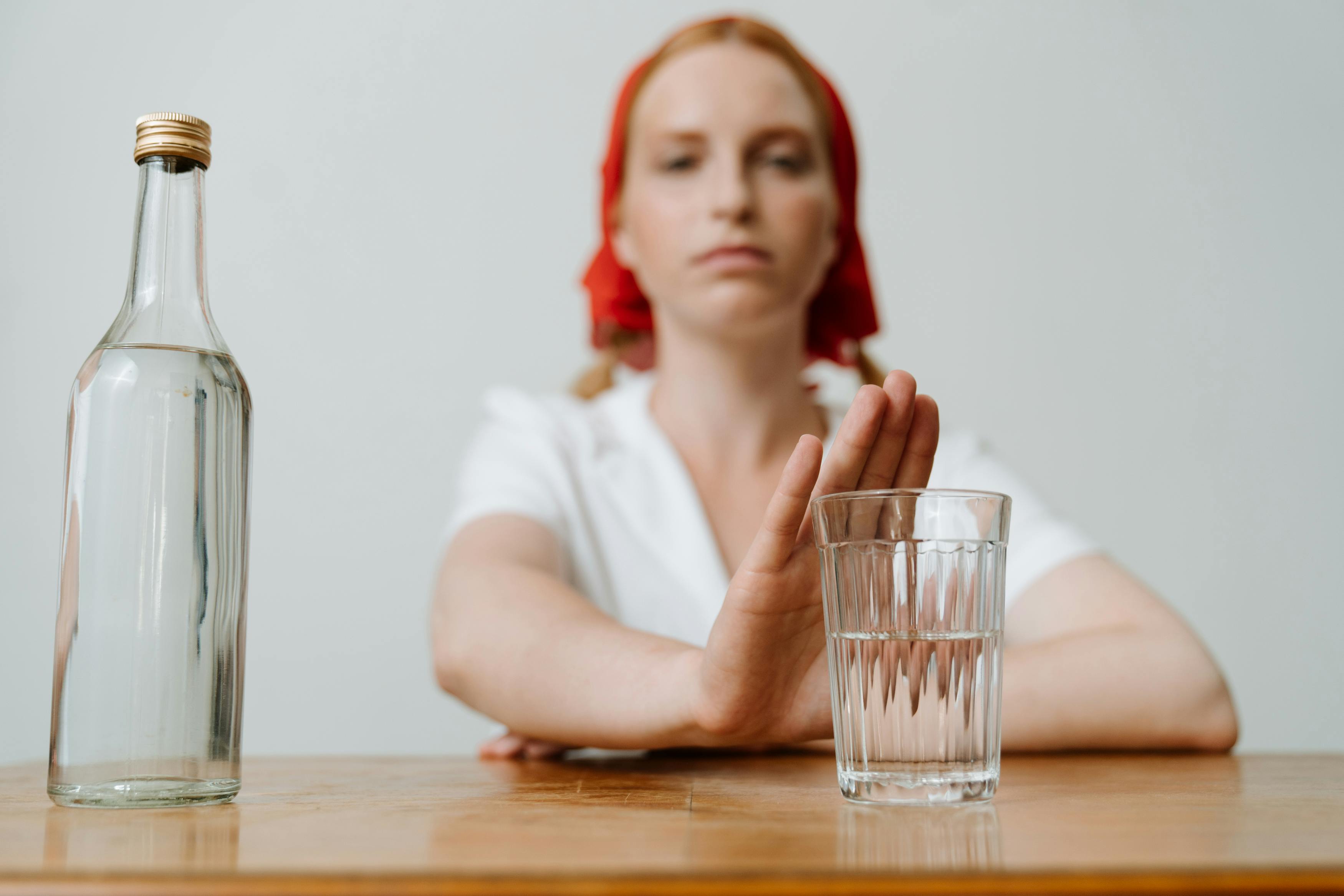
Giving up alcohol for 30 days has become a popular challenge for people looking to improve their health, lose weight, boost energy, and gain greater control over their habits. Whether you’re participating in a sober month challenge or simply curious about the effects of alcohol on the body, taking a break can produce noticeable changes in a surprisingly short period.

Many people are amazed by how different they feel after just one month without alcohol. From better sleep and improved mental clarity to potential weight loss and increased physical performance, the benefits often extend far beyond what most expect.

Here’s what really happens to your body when you stop drinking alcohol for 30 days.Person using a smartphone illustrating social media addiction and dopamine-driven screen habits
Why Alcohol Affects So Many Areas of Health

Alcohol doesn’t just impact your liver. It influences nearly every major system in the body, including:

  • Brain function
  • Sleep quality
  • Hormone balance
  • Heart health
  • Metabolism
  • Recovery and muscle growth
  • Digestive function
  • Mental well-being

Because alcohol affects so many biological processes, removing it—even temporarily—can create significant positive changes.

The First 24 to 72 Hours

The first few days can be the most challenging, especially for people who drink regularly.

During this period, your body begins adjusting to functioning without alcohol.

Some people may experience:

  • Strong cravings
  • Irritability
  • Restlessness
  • Difficulty sleeping
  • Increased appetite

Others notice positive changes almost immediately, such as improved hydration and fewer morning headaches.

It’s important to note that people who consume alcohol heavily should consult a healthcare professional before quitting suddenly, as withdrawal symptoms can sometimes be serious.

Week One: Better Hydration and Improved Sleep

Alcohol acts as a diuretic, causing the body to lose more fluids.

When you stop drinking, hydration levels often improve quickly.

Many people begin to notice:

  • Less bloating
  • Better skin appearance
  • Fewer headaches
  • Improved energy levels

Sleep may still feel disrupted initially, but your body is beginning to restore its natural sleep cycles.

While alcohol can make people feel sleepy, it often reduces sleep quality by interfering with restorative stages of sleep.

Week Two: Increased Energy and Mental Clarity

By the second week, many individuals report feeling more alert and focused throughout the day.

This improvement occurs because:

  • Sleep quality continues to improve
  • Blood sugar becomes more stable
  • The brain is no longer recovering from frequent alcohol consumption

Many people describe experiencing:

  • Sharper concentration
  • Better memory
  • Improved productivity
  • More stable moods

This mental clarity often motivates people to continue beyond the initial 30-day challenge.

Week Three: Physical Performance Starts Improving

If you’re active or regularly exercise, the benefits become increasingly noticeable around this stage.

Alcohol can negatively affect:

  • Recovery
  • Protein synthesis
  • Muscle growth
  • Endurance
  • Hydration

Without alcohol, the body can focus more effectively on repair and recovery.

Whether you’re training for general health or following a Combat Strength and Conditioning program, improved recovery can lead to better workout performance and more consistent progress.

Many people also find that they have more motivation to train because their overall energy levels improve.

Week Four: Visible Changes in Body Composition

One of the most common reasons people stop drinking is to improve their physique.

Alcohol contributes extra calories while often increasing cravings for unhealthy foods.

After 30 days, some people experience:

  • Reduced belly bloating
  • Improved muscle definition
  • Lower calorie intake
  • Better food choices
  • Weight loss

For individuals focused on a 30 Day Fat Loss goal, eliminating alcohol can remove a major obstacle to progress.

The exact amount of weight loss varies depending on drinking habits, nutrition, and activity levels, but many people notice meaningful changes in how they look and feel.

What Happens to Your Liver?

The liver is responsible for processing alcohol, and even moderate drinking places additional demands on this vital organ.

The good news is that the liver has an impressive ability to recover.

After 30 days without alcohol, many people experience:

  • Reduced liver inflammation
  • Improved liver function
  • Lower fat accumulation in the liver

While severe liver damage requires medical treatment, temporary abstinence can help support healthier liver function in many individuals.

The Mental Health Benefits of Going Alcohol-Free

The relationship between alcohol and mental health is complex.

Many people drink to relax or reduce stress, but alcohol can sometimes worsen anxiety and mood instability over time.

After 30 days alcohol-free, people frequently report:

  • Better emotional regulation
  • Reduced anxiety
  • Improved confidence
  • Greater self-control
  • Enhanced motivation

Without alcohol disrupting neurotransmitters and sleep quality, the brain often functions more efficiently.

This can create a positive cycle where healthier habits become easier to maintain.

How Your Fitness Goals Can Benefit

If you’re serious about health and performance, removing alcohol may be one of the most effective changes you can make.

Many coaches and athletes prioritize recovery because recovery drives results.

At Stronger Weekly, the focus is on sustainable habits that create lasting improvements rather than quick fixes.

When alcohol is removed, people often notice:

  • Better workout performance
  • Faster recovery
  • Improved hydration
  • More consistent nutrition
  • Greater motivation

These benefits compound over time, making it easier to build momentum toward long-term fitness goals.Person checking social media notifications on smartphone illustrating social media addiction
Why Many People Continue Beyond 30 Days

A surprising number of people start a 30-day challenge and decide not to return to their previous drinking habits.

The reason is simple:

They feel better.

After experiencing:

  • Better sleep
  • Increased energy
  • Improved focus
  • Enhanced fitness performance
  • Better overall well-being

Many people realize that alcohol was affecting them more than they originally thought.

That doesn’t necessarily mean never drinking again, but it often leads to a more intentional relationship with alcohol.

Tips for Successfully Completing a 30-Day Alcohol Break

Find Healthy Replacements

Replace drinking rituals with healthier alternatives such as:

  • Sparkling water
  • Herbal tea
  • Evening walks
  • Exercise sessions
  • Reading or journaling

Focus on Progress

Rather than counting what you’re giving up, focus on what you’re gaining:

  • Better health
  • Improved recovery
  • More energy
  • Increased productivity

Stay Educated

Learning about health, fitness, and habit formation can help reinforce your commitment.

Many people enjoy listening to health and fitness podcasts during their transformation journey because they provide motivation and practical strategies.

You can explore expert conversations and actionable advice on the Episodes page.

Building a Stronger Version of Yourself

A 30-day break from alcohol isn’t just about removing a drink.

It’s about creating space for healthier habits, clearer thinking, better recovery, and improved physical performance.

Whether your goal is weight loss, improved fitness, greater productivity, or simply feeling better every day, a month without alcohol can provide valuable insight into how your body performs at its best.

At Stronger Weekly, we believe true strength comes from the daily choices that support long-term health and personal growth.

From the lessons shared through Choose Strong Podcast discussions to the practical mindset shifts inspired by Weakless Week and the philosophy of Stronger Today Fitness, small consistent actions often create the biggest transformations.

Continue Your Health Journey

If you’re looking for more guidance on fitness, recovery, nutrition, and mindset, explore our growing collection of resources in the Blog Library.

Discover why many listeners consider our content among the best health fitness podcasts, good health and fitness podcasts, and top fitness podcasts weekly episodes available for people committed to improving their lives.

If you have questions, feedback, or topics you’d like us to cover, visit our Contact Us page.

Your strongest month may start with a single decision—and the next 30 days could be the beginning of lasting change.

Hosted By

Jesse Carrajat

Get Stronger. Weekly.

Follow us on Apple, Spotify & YouTube to get weekly episodes that inspire growth, clarity, and freedom.

Subscribe for New Episodes & Exclusive Content

Subscribe for new episodes, exclusive content, and updates—get inspiration and behind-the-scenes insights delivered straight to your inbox.

Thank you for subscribing!

You’ve successfully subscribed our newsletter – You're now on the list! Check your inbox.