Strength training is one of the most powerful ways to improve your health, build confidence, and feel stronger in your everyday life. If you’ve ever thought about lifting weights but felt unsure where to start, you’re not alone. Many people feel intimidated at first, but the truth is, strength training for beginners can be simple, safe, and even enjoyable when you understand the basics.
This guide will walk you through everything you need to know in a clear and practical way, so you can start your journey with confidence.
What Is Strength Training?
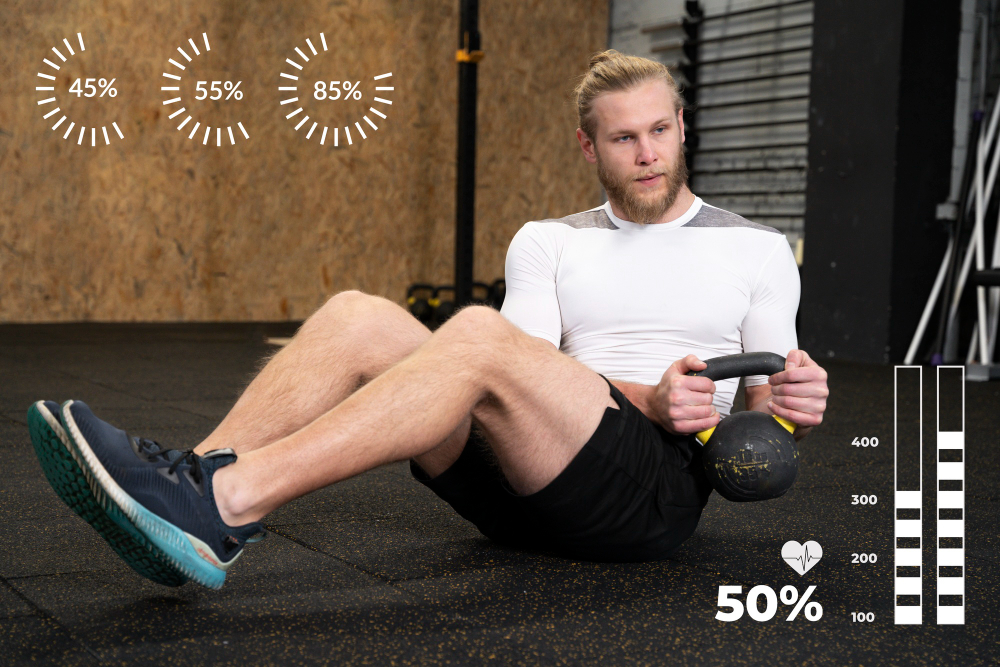
Strength training is any type of exercise that helps your muscles get stronger. This can include:
- Lifting weights
- Using resistance bands
- Bodyweight exercises like push-ups and squats
- Machines at the gym
When you challenge your muscles, they adapt by becoming stronger over time. This process is called muscle growth.
Why Strength Training Matters
Strength training is not just about building big muscles. It has many real-life benefits that can improve your overall health.
Physical Benefits
- Builds muscle and improves strength
- Helps burn fat and boost metabolism
- Improves posture and balance
- Strengthens bones and reduces injury risk
Everyday Benefits
- Makes daily tasks easier, like lifting groceries
- Reduces fatigue and increases energy
- Helps you move with more confidence
Mental Benefits
- Reduces stress and anxiety
- Improves mood
- Builds discipline and consistency
Strength Training for Beginners | What You Need to Know First
Before you jump into a workout, it’s important to understand a few basic ideas.
1. Start Simple
You don’t need fancy equipment or long workouts. Focus on basic movements.
2. Focus on Form
Doing exercises correctly is more important than lifting heavy weights.
3. Be Consistent
You don’t need to train every day. Even 2–3 times per week can bring results.
4. Rest Matters
Your muscles grow when you rest, not when you train. Give your body time to recover.
Basic Strength Training Exercises
Here are some beginner-friendly exercises that work your whole body.
Upper Body
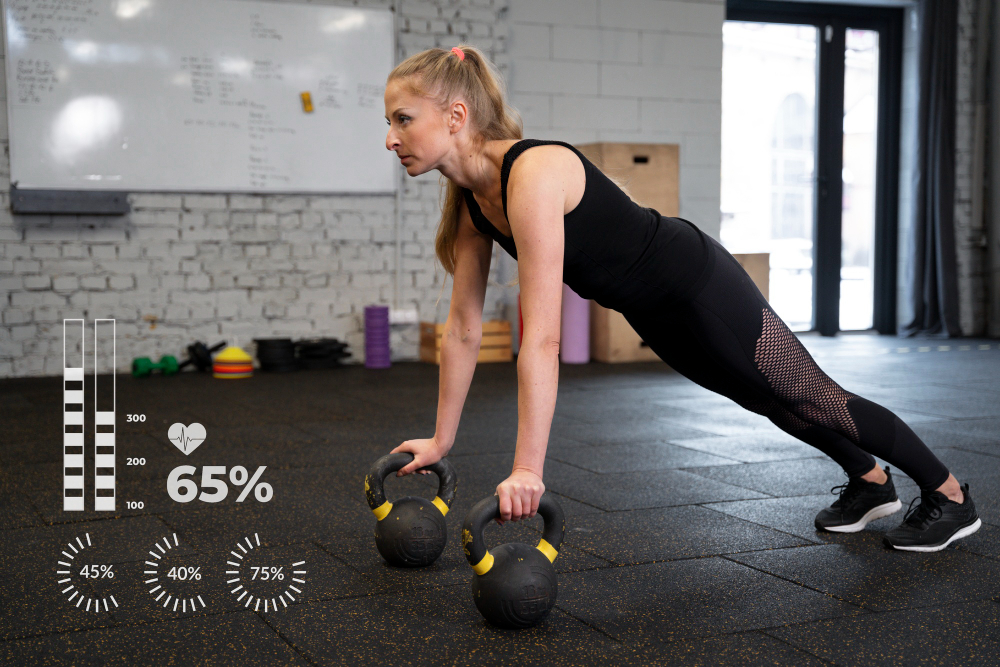
- Push-ups (chest, shoulders, arms)
- Dumbbell shoulder press
- Bent-over rows
Lower Body
- Squats (legs and glutes)
- Lunges
- Glute bridges
Core
- Plank
- Leg raises
- Russian twists
Basic Strength Training Plan
If you’re not sure how to organize your workouts, here’s a simple beginner strength training plan you can follow.
Weekly Schedule
- Day 1: Full Body Workout
- Day 2: Rest or light activity
- Day 3: Full Body Workout
- Day 4: Rest
- Day 5: Full Body Workout
- Weekend: Rest or optional light movement
Example Workout Routine
Warm-Up (5–10 minutes):
- Jumping jacks
- Light stretching
- Arm circles
Main Workout:
- Squats – 3 sets of 10 reps
- Push-ups – 3 sets of 8 reps
- Dumbbell rows – 3 sets of 10 reps
- Lunges – 3 sets of 8 reps each leg
- Plank – 3 sets of 20–30 seconds
Cool Down:
-
- Stretch your muscles
- Deep breathing
How to Start Strength Training at Home
You don’t need a gym to begin. Many people start at home and see great results.
What You Need
- A small space
- Comfortable clothing
- Optional: dumbbells or resistance bands
Easy Ways to Begin
- Use your body weight for exercises
- Follow simple online workout videos
- Set a regular workout time
Benefits of Training at Home
- Saves time and money
- Comfortable and private
- Flexible schedule
Common Mistakes Beginners Should Avoid
Starting strong is important, but avoiding mistakes is just as important.
1. Lifting Too Heavy Too Soon
Start with light weights and focus on technique.
2. Skipping Warm-Ups
Cold muscles can lead to injuries.
3. Not Resting Enough
Overtraining can slow progress and cause burnout.
4. Comparing Yourself to Others
Everyone starts somewhere. Focus on your own journey.
5. Ignoring Nutrition
Your body needs proper fuel to grow stronger.
Nutrition Tips for Strength Training
Food plays a big role in your results.
Eat Enough Protein
Protein helps repair and build muscles.
Good sources include:
- Eggs
- Chicken
- Fish
- Beans
- Yogurt
Stay Hydrated
Drink enough water before and after workouts.
Balanced Meals
Include:
Carbohydrates for energy
Healthy fats for overall health
How to Stay Motivated
Staying consistent is often the hardest part.
Set Realistic Goals
Start small, like working out 2–3 times a week.
Track Your Progress
Write down your workouts and improvements.
Celebrate Small Wins
Even small progress matters.
Make It Enjoyable
Listen to music or work out with a friend.
When Will You See Results?
Results take time, but they will come if you stay consistent.
What to Expect
- Week 1–2: You feel stronger and more energetic
- Week 3–4: You notice small physical changes
- After 2–3 months: Clear strength and body improvements
Remember, progress is not always fast, but it is always worth it.
Strength Training Safety Tips
-
Your safety should always come first.
- Start with proper form
- Use controlled movements
- Stop if you feel pain
- Wear proper shoes
- Don’t rush your workouts
If possible, learn from a certified trainer or trusted sources.
Week 1–2: You feel stronger and more energetic - Week 3–4: You notice small physical changes
- After 2–3 months: Clear strength and body improvements
Remember, progress is not always fast, but it is always worth it.
Building a Long-Term Habit
Strength training is not a quick fix. It’s a long-term lifestyle.
Build a Routine
- Pick specific days and times
- Make it part of your schedule
Stay Flexible
Missed a workout? Just continue the next day.
Keep Learning
As you grow, you can try new exercises and increase intensity.
Final Thoughts
Starting strength training may feel overwhelming at first, but it doesn’t have to be complicated. With a simple plan, basic exercises, and consistent effort, anyone can build strength and improve their health.
Whether you follow a beginner strength training plan or learn how to start strength training at home, the most important step is simply to begin.
Your body is stronger than you think. All it needs is a little time, patience, and effort.