
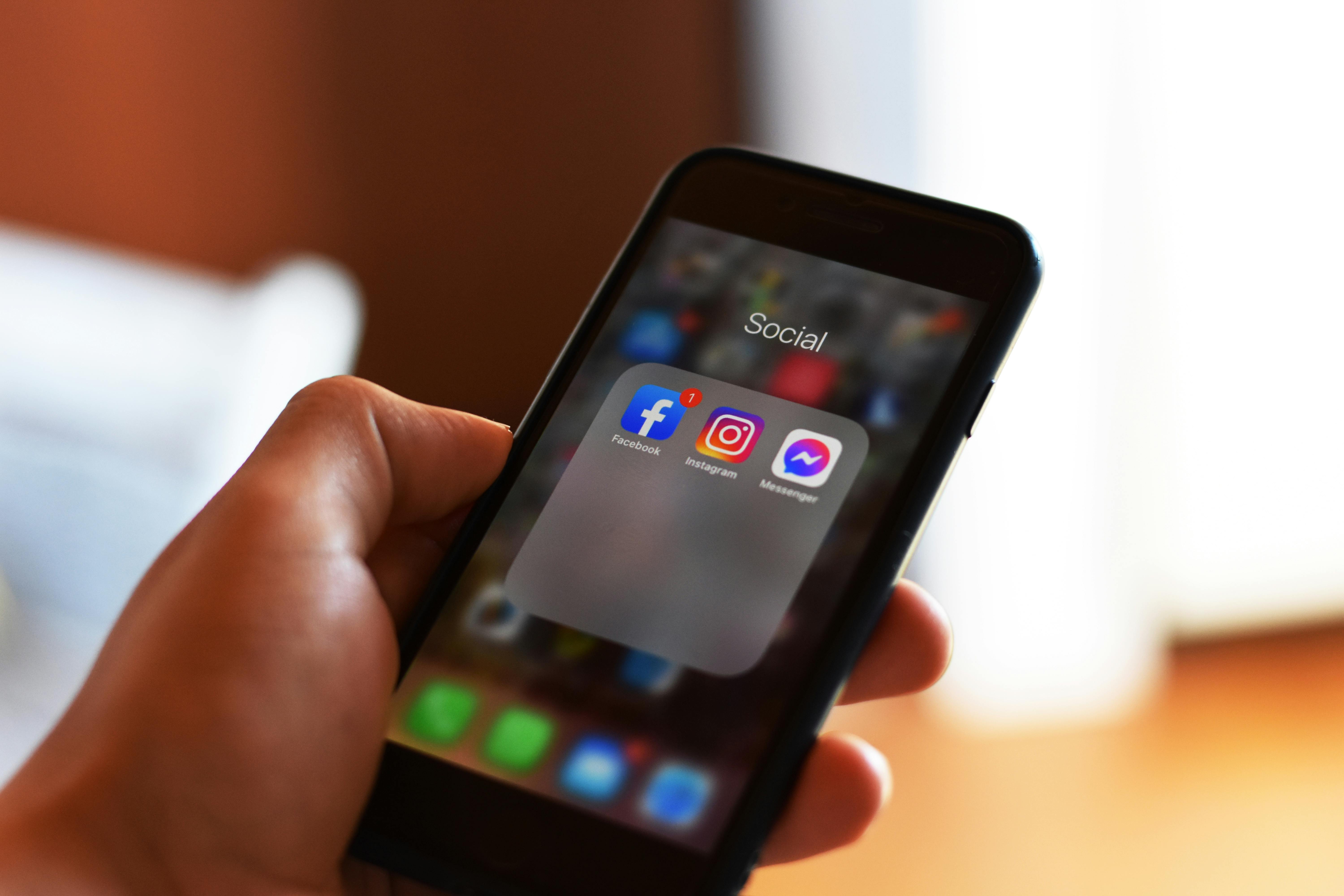
Have you ever opened Instagram, TikTok, Facebook, or X for “just a minute” only to realize an hour has disappeared?
You’re not lazy. You’re not lacking willpower. And you’re certainly not alone.
Millions of people struggle with the same experience every day. What feels like a harmless scroll often becomes an automatic habit that’s surprisingly difficult to control.
The reason lies in a powerful brain chemical called dopamine.
Understanding how dopamine works can help you break unhealthy digital habits, improve focus, and take back control of your attention.
What Is Dopamine?
Dopamine is often called the “feel-good” chemical, but that description isn’t entirely accurate.
Dopamine is actually more connected to motivation, anticipation, and reward-seeking behavior than happiness itself.
When your brain expects something rewarding, dopamine levels rise and encourage you to keep pursuing that reward.
This system evolved to help humans survive by motivating behaviors such as:
- Finding food
- Learning new skills
- Building relationships
- Solving problems
- Exploring new environments
The challenge is that modern technology has learned how to tap directly into this reward system.
Why Social Media Triggers Dopamine So Effectively
Social media platforms are designed to keep users engaged for as long as possible.
Every notification, like, comment, follow, and new post creates a small sense of anticipation.
Your brain begins asking questions like:
- Who liked my post?
- Did someone respond?
- Is there something new to watch?
- Am I missing out on something important?
That anticipation triggers dopamine release, encouraging you to keep checking.
The result is a cycle that can look like this:
- Open social media
- Receive a reward (likes, comments, entertainment)
- Experience dopamine release
- Want more rewards
- Continue scrolling
Over time, this loop becomes automatic.
The Science Behind Endless Scrolling
One of the most powerful psychological mechanisms used by social media platforms is called variable reward scheduling.
This is the same principle that makes slot machines so compelling.
Sometimes you find:
- A funny video
- Exciting news
- A message from a friend
- An inspiring story
Other times, you find nothing interesting at all.
Because the rewards are unpredictable, your brain keeps searching for the next rewarding experience.
That’s why social media often feels impossible to put down.

Signs You're Stuck in the Dopamine Trap
You don’t need to spend eight hours a day online to be affected.
Here are some common warning signs:
You Check Your Phone Without Thinking
A missing phone can create genuine discomfort or restlessness.
You Feel Anxious Without Your Phone
A quick check turns into 30 minutes—or longer.
You Struggle to Focus
Constant stimulation makes slower activities like reading, studying, or deep work feel more difficult.
You Need More Content to Stay Entertained
Over time, short bursts of stimulation can reduce your tolerance for activities that require patience and concentration.
How Social Media Affects Mental Health
Research continues to explore the relationship between social media use and mental well-being.
For some people, excessive use may contribute to:
- Increased stress
- Anxiety
- Poor sleep quality
- Reduced self-esteem
- Comparison-driven thinking
- Lower productivity
This doesn’t mean social media is inherently harmful.
The issue arises when passive consumption replaces meaningful activities that support physical, emotional, and mental health.
The Hidden Cost of Constant Stimulation
When your brain becomes accustomed to constant rewards, everyday activities can start feeling less engaging.
Activities such as:
- Reading a book
- Exercising
- Working on long-term goals
- Learning new skills
may feel harder because they don’t provide instant gratification.
Ironically, these are often the activities that create the greatest long-term satisfaction.
Whether you’re pursuing stronger today fitness goals, working through a 30 day fat loss program, or building a healthier lifestyle, reducing digital distractions can make a significant difference.
How to Break the Dopamine Loop
The goal isn’t to quit social media completely.
The goal is to use it intentionally.
Turn Off Non-Essential Notifications
Every notification competes for your attention.
Reducing alerts removes many unnecessary triggers.
Create Screen-Free Periods
Try avoiding social media:
- During meals
- During workouts
- For the first hour after waking up
- Before bedtime
Replace Consumption With Creation
Instead of endlessly consuming content, spend time creating, learning, or building something meaningful.
Exercise Regularly
Physical activity helps regulate mood and creates healthier dopamine responses.
Activities such as combat strength and conditioning, walking, strength training, or recreational sports provide long-term benefits without the mental drain of endless scrolling.
Curate Your Digital Environment
Unfollow accounts that increase stress, comparison, or negativity.
Follow creators and resources that genuinely improve your life.
Choose Growth Over Endless Scrolling
At Stronger Weekly, we believe attention is one of your most valuable resources.
How you spend your time shapes your habits, your mindset, and ultimately your future.
If you’re looking for practical insights from fitness experts, entrepreneurs, coaches, and high performers, explore our top fitness podcasts weekly episodes and discover conversations designed to help you grow stronger physically and mentally.
To learn more about our story and mission, visit the About Stronger Weekly page.
You can also find more personal development and wellness content in our fitness and wellness blog.
If you’d like to connect with us, share feedback, or discuss partnership opportunities, feel free to contact us.
Frequently Asked Questions
Why does social media feel so addictive?
Social media triggers dopamine-driven reward systems in the brain through likes, notifications, comments, and unpredictable content rewards.
Is dopamine bad?
No. Dopamine is an essential brain chemical involved in motivation, learning, and goal-directed behavior. Problems arise when highly stimulating activities dominate your attention.
Can social media change brain behavior?
Frequent exposure to highly stimulating content can influence attention patterns and reward-seeking behavior, making it harder to focus on slower, more meaningful activities.
What's the best way to reduce social media addiction?
Start by disabling unnecessary notifications, setting time limits, and replacing scrolling with productive activities such as exercise, reading, or listening to some of the best health fitness podcasts available today.
Are podcasts healthier than social media?
Many people find that good health and fitness podcasts provide educational value, motivation, and personal growth opportunities without the constant distractions of social media feeds.
Final Thoughts
The real danger of social media isn’t the technology itself.
It’s how easily it can capture your attention without you realizing it.
The dopamine trap works because it promises quick rewards while quietly consuming your time, focus, and energy.
The solution isn’t perfection. It’s awareness.
When you understand how these platforms influence your behavior, you can make intentional choices that support your goals instead of distracting you from them.
The next time you reach for your phone automatically, ask yourself:
Am I looking for something valuable—or am I simply chasing the next dopamine hit?