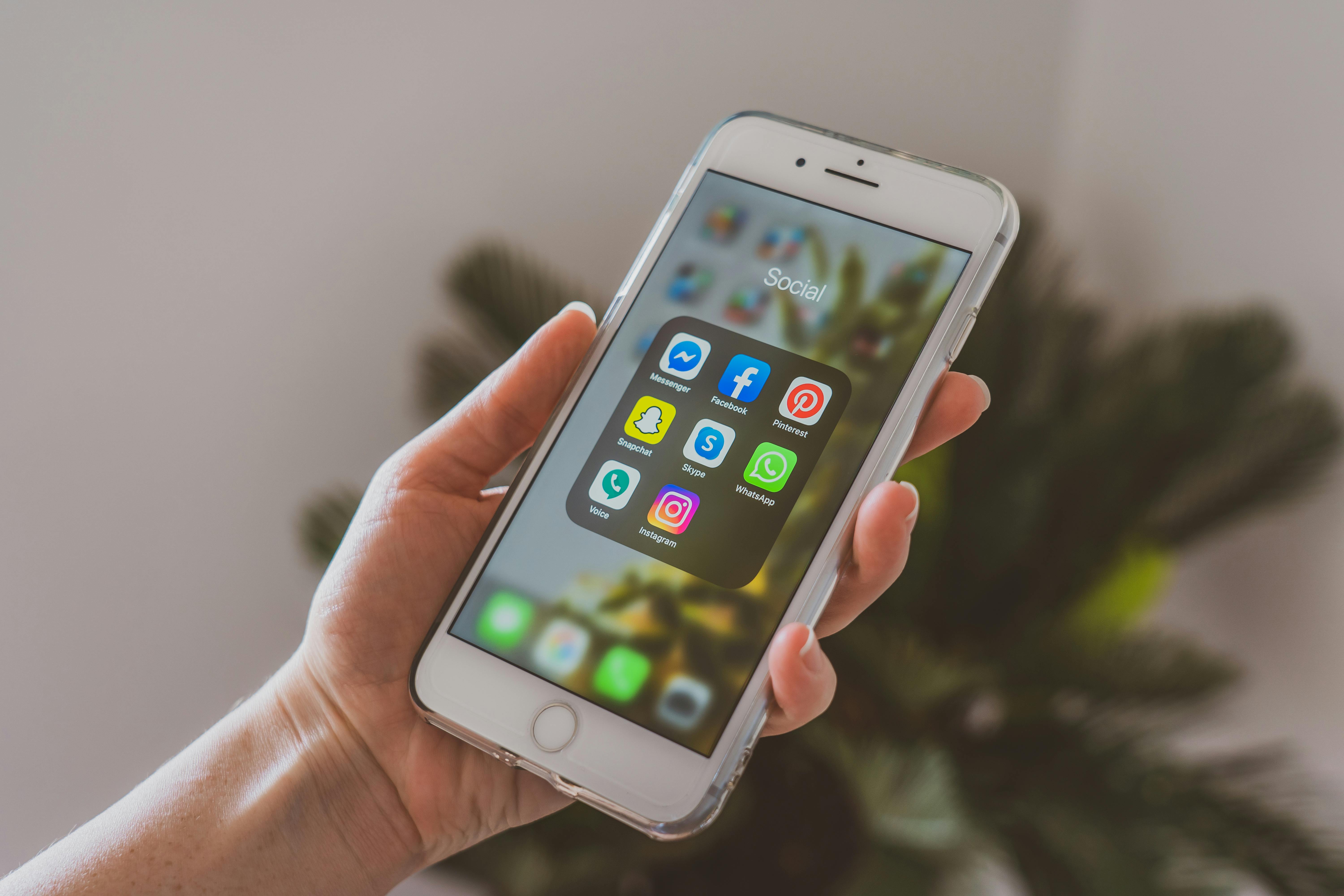
How many times have you checked your phone today?
If you don’t know the answer, you’re not alone.
Social media has become part of everyday life. It helps us stay connected, learn new things, and stay informed. But for many people, scrolling has shifted from a useful activity to a habit that quietly consumes hours every day.
The good news is that recognizing the signs early can help you regain control. This simple self-check test will help you understand whether your social media habits are healthy—or whether they may be holding you back from your goals.

What Is Social Media Addiction?
Social media addiction refers to excessive or compulsive use of social platforms that begins to interfere with daily life.
It can affect:
- Productivity
- Sleep
- Mental health
- Relationships
- Physical fitness
- Personal growth
The issue isn’t necessarily how many hours you spend online. The real concern is whether social media is negatively affecting your ability to live the life you want.
Take This Simple Social Media Addiction Test
Score yourself using the following scale:
- Never = 0 Points
- Sometimes = 1 Point
- Often = 2 Points
- Almost Always = 3 Points
Question 1
Do you check social media within 10 minutes of waking up?
Question 2
Do you open social media apps automatically without thinking?
Question 3
Do you lose track of time while scrolling?
Question 4
Do you check notifications during meals, work, or conversations?
Question 5
Do you feel anxious when your phone isn’t nearby?
Question 6
Have friends or family commented on your screen time?
Question 7
Do you use social media to escape boredom, stress, or anxiety?
Question 8
Have you delayed important tasks because of social media?
Question 9
Do you compare yourself to people you see online?
Question 10
Have you tried reducing social media use but struggled to stick with it?
What Your Score Means
Have you tried reducing social media use but struggled to stick with it?
0–10 Points: Healthy User
Your social media habits appear balanced. You likely use these platforms intentionally rather than compulsively.
11–20 Points: Moderate Risk
Social media may be consuming more time and attention than you’d like. Establishing healthier boundaries now can prevent future problems.
21–30 Points: High Risk
Your social media habits may be affecting important areas of your life. It may be time to reduce screen time and focus on healthier alternatives.
What Your Score Means
Poor Sleep Quality
Late-night scrolling can disrupt sleep and reduce recovery, energy, and focus the next day.
Reduced Productivity
A quick five-minute check can easily turn into thirty minutes or more, disrupting concentration and workflow.
Increased Stress and Anxiety
Constant exposure to curated lifestyles can create unrealistic expectations and unhealthy comparisons.
Less Physical Activity
Excessive screen time often replaces exercise and movement. This can make it harder to achieve goals such as a 30 day fat loss challenge or maintain a consistent workout routine.
Why Social Media Feels So Addictive
Social media platforms are specifically designed to keep users engaged.
Features such as:
- Infinite scrolling
- Personalized feeds
- Notifications
- Likes and reactions
- Short-form videos
trigger reward systems in the brain that encourage repeated use.
Understanding this can help you become a more conscious and intentional user.

7 Practical Ways to Reduce Social Media Dependence
1. Track Your Screen Time
Most smartphones include built-in tools that show exactly how much time you spend on each app.
2. Turn Off Non-Essential Notifications
Reducing notifications helps break the habit of constantly checking your phone.
3. Create Phone-Free Zones
Keep phones away from:
- Bedrooms
- Dining tables
- Workspaces
- Workout areas
4. Replace Scrolling With Learning
Instead of consuming endless content, spend your time on resources that help you grow.
Listening to health and fitness podcasts can provide actionable advice, inspiration, and expert guidance.
5. Schedule Social Media Time
Set designated periods during the day to check social media instead of opening apps whenever boredom strikes.
6. Focus on Real-World Goals
Whether you’re pursuing stronger today fitness goals, personal development, or career growth, having a clear purpose reduces mindless scrolling.
7. Exercise Consistently
Physical activity improves mood, reduces stress, and provides a healthier alternative to screen time.
Programs centered around combat strength and conditioning can help build discipline while improving overall fitness.
Better Alternatives to Social Media
If you’re trying to reduce your screen time, consider replacing scrolling with:
- Walking
- Reading
- Strength training
- Journaling
- Learning new skills
- Spending time outdoors
- Family activities
- Listening to podcasts
Many people notice improvements in energy, focus, and mental clarity within weeks of reducing social media usage.
Build Stronger Habits With Stronger Weekly
At Stronger Weekly, we believe small daily actions create meaningful long-term results.
If you’re looking for inspiration, practical advice, and conversations with industry experts, check out our top fitness podcasts weekly episodes.
Want to learn more about our story and mission? Visit the About Stronger Weekly page.
For more actionable wellness and personal development content, explore our fitness and wellness blog.
Have a question or want to connect? Contact Us anytime.
Frequently Asked Questions
Can social media addiction affect mental health?
Yes. Excessive social media use can contribute to anxiety, stress, reduced self-esteem, and poor sleep habits.
How much social media is too much?
There is no universal number. The key factor is whether it negatively impacts your work, relationships, fitness, or well-being.
Can reducing social media improve productivity?
For many people, reducing distractions leads to better focus, increased efficiency, and improved time management.
Are podcasts a healthier alternative?
Many people find that the best health fitness podcasts and other good health and fitness podcasts provide valuable insights without the endless distractions of social media feeds.
Conclusion
Social media isn’t inherently good or bad. The real question is how you use it.
If your self-check score suggests that scrolling is consuming more time and attention than you’d like, small changes can make a big difference.
By setting boundaries, prioritizing fitness, and focusing on meaningful activities, you can take back control of your time and attention.
The question isn’t whether social media is part of your life. The question is: Are you controlling social media, or is social media controlling you?