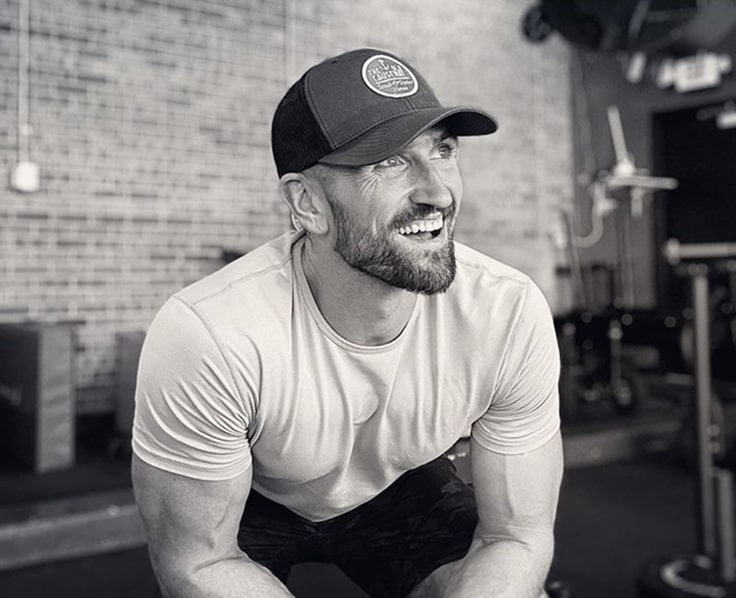
Jesse Carrajat kicks off the week’s health headlines with a simple goal: focus on what the science actually says and skip the hype. The latest World Health Organization cancer report offers a sobering outlook, with annual cancer cases projected to reach 35 million by 2050. Many cases are linked to preventable risk factors, including tobacco, alcohol, obesity, and physical inactivity.
New research also highlights the risks of prolonged sitting. Researchers followed more than 91,000 people for over 12 years and found that extended sedentary periods were associated with increased cancer risk. Replacing some sitting with light or vigorous activity was associated with lower risk.
Alcohol and stress are another concern. Research suggests that using alcohol to cope with stress may affect the brain’s stress-regulation system over time. Building healthier coping strategies, including exercise, breathing exercises, and social connection, may offer better long-term tools.
Exercise, Aging, and Cancer Prevention
There is also encouraging research around exercise and healthy aging. Researchers at Duke Medical School identified the DEF1 gene, which increases with age and can disrupt the balance inside muscle cells. Exercise may help reverse this process, supporting the idea that regular movement can actively protect muscle health.
The discussion then turns to creatine and depression. A review of five randomized controlled trials produced mixed results. Two studies found benefits when creatine was added to standard treatment, while three found no meaningful benefit. The evidence is interesting, but it isn’t strong enough to treat creatine as an established depression treatment.
The 90-Day Creatine Study
Ashley Boyer joins Jesse to discuss a 90-day creatine study involving everyday people rather than elite athletes.
Participants included regular exercisers, beginners, and largely sedentary people. They took creatine monohydrate daily, while researchers tracked strength, body composition, recovery, energy, and mental clarity.
The results showed improvements in strength and lean mass, particularly in compound movements such as squats and deadlifts. Participants also reported better recovery and less soreness after demanding workouts.
Creatine, Brain Health, and Mood
The study also raised an interesting question around creatine and cognitive health. Some participants, particularly women, reported improved mental sharpness, focus, mood stability, and less brain fog.
Creatine is stored in the brain as well as muscle, where it supports cellular energy systems. However, the cognitive and mood findings should still be viewed as promising observations rather than definitive proof.
Creatine Dosage, Timing, and Weight Gain
For everyday use, Ashley recommends five grams of creatine monohydrate per day. Timing isn’t considered particularly important, and most people don’t need a loading phase.
Creatine monohydrate remains the most practical option because it has a large body of research, is affordable, and is generally well tolerated.
As for the common claim that creatine makes people look puffy, the discussion explains that creatine draws water into muscle cells. This can increase scale weight while contributing to fuller, better-hydrated muscles rather than necessarily causing the soft appearance associated with subcutaneous water retention.
Creatine for Women, Older Adults, and Non-Lifters
Creatine isn’t limited to young male lifters. The study included women, older adults, and non-lifters, with reported benefits across different groups.
For older adults, maintaining muscle mass and strength becomes increasingly important. People who run, hike, practice yoga, or simply want to stay active may also find creatine useful as part of a broader fitness routine.
The Minimalist Supplement Stack
Instead of complicated and expensive supplement routines, Jesse highlights five basics:
- Creatine: Five grams of creatine monohydrate daily.
- Whey protein: A convenient way to help meet protein needs.
- Omega-3s: Useful when dietary fatty-fish intake is low.
- Electrolytes: Helpful when hydration and electrolyte needs are higher.
- Whole-food diet: The foundation, with quality protein, vegetables, whole carbohydrates, and healthy fats.
The bigger takeaway is simple: don’t chase hype when the basics already work. Regular movement, nutritious food, strength training, healthy stress management, and evidence-based supplementation provide a much stronger foundation than an expensive supplement stack.