Have you ever opened a social media app for “just five minutes” and looked up an hour later wondering where the time went?
You are not alone.
Millions of people check their phones dozens, sometimes hundreds, of times each day. While social media platforms offer entertainment, connection, and information, they are also designed to keep users engaged for as long as possible. The reason often comes down to one powerful chemical in the brain: dopamine.
Understanding how dopamine works can help you build healthier habits, improve focus, and regain control over your attention. In this article, we’ll explore why social media feels so addictive, how it affects your brain, and what you can do to break free from the dopamine trap.
What Is Dopamine?
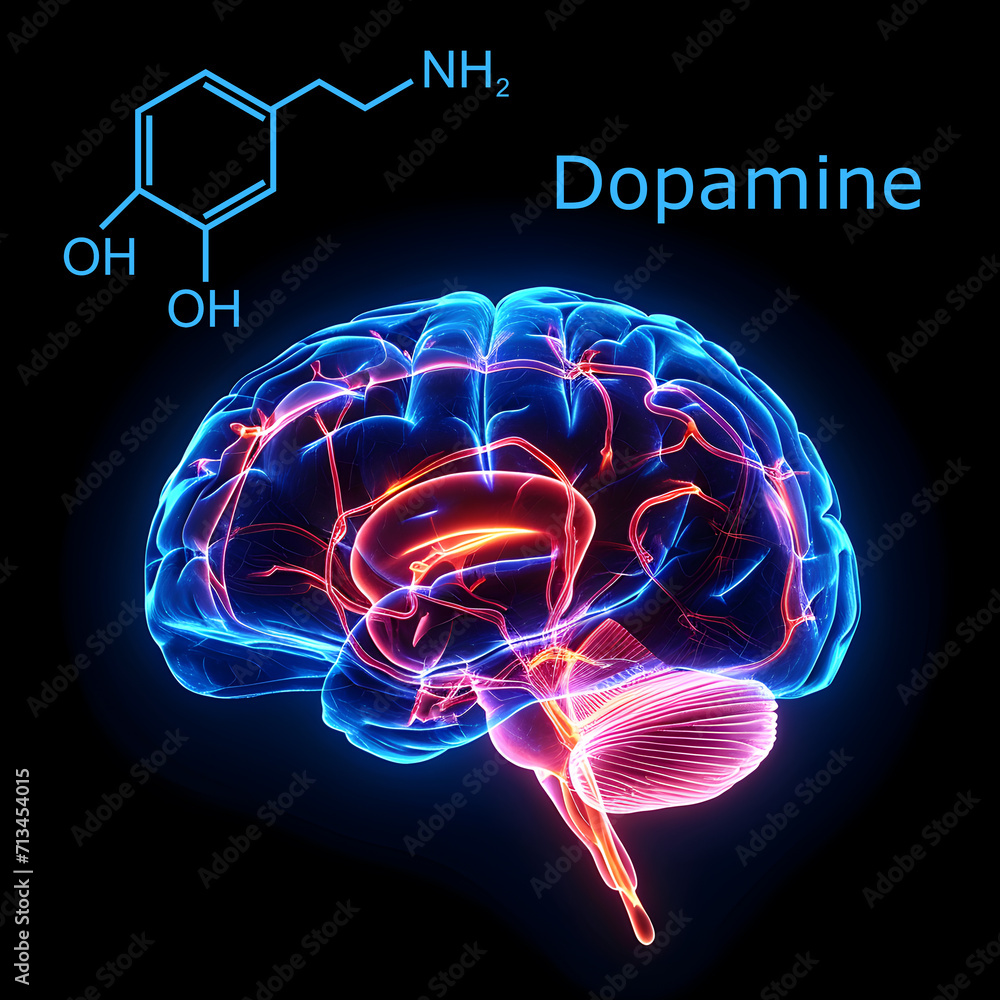
Dopamine is often called the “feel-good” neurotransmitter, but that description is only partially accurate.
In reality, dopamine is more closely linked to motivation, anticipation, and reward-seeking behavior than pleasure itself. It plays a key role in encouraging us to repeat actions that our brains perceive as beneficial.
For thousands of years, this system helped humans survive by motivating behaviors like:
- Finding food
- Building relationships
- Learning new skills
- Exploring new environments
The problem is that modern technology has learned how to tap directly into this ancient reward system.
How Social Media Hijacks Your Reward System
Every notification, like, comment, share, and message creates a small burst of anticipation.
Your brain begins to associate social media with potential rewards.
The most powerful part is that these rewards are unpredictable.
Sometimes you open an app and find nothing interesting.
Other times you see:
- A new follower
- A viral post
- An exciting message
- Positive feedback
This unpredictability keeps you coming back.
Psychologists call this a variable reward schedule, which is the same principle used in slot machines. Because the reward isn’t guaranteed, the brain becomes even more motivated to seek it.
As a result, scrolling turns into a habit that feels automatic.
The Endless Scroll Problem
Most social media platforms no longer have natural stopping points.
Instead of reaching the end of content, users encounter an endless feed designed to continuously present something new.
This creates a cycle:
- Open the app
- See new content
- Receive a dopamine response
- Continue scrolling
- Repeat
The brain starts chasing the possibility that the next post will be more entertaining, informative, or rewarding than the last.
Minutes quickly become hours.
Why Social Media Feels More Rewarding Than Real Life
Real-life achievements often require effort and patience.
Examples include:
- Building muscle
- Losing body fat
- Learning a new skill
- Growing a business
- Improving relationships
These goals take weeks, months, or years.
Social media offers immediate stimulation.
Within seconds, you can receive:
- New content
- Validation
- Entertainment
- Social interaction
Over time, the brain can become accustomed to these instant rewards, making slower but more meaningful activities feel less exciting.
This is one reason many people struggle with consistency in fitness, personal development, and long-term goals.
The Hidden Impact on Mental Health
Excessive social media use can affect more than productivity. 
Research has linked heavy usage to:
Increased Anxiety
Constant notifications and information overload can leave the brain in a heightened state of alertness.
Lower Attention Span
Frequent switching between content trains the brain to seek novelty rather than sustained focus.
Comparison and Self-Esteem Issues
Social media often showcases curated highlights rather than reality. Constant exposure to idealized lifestyles can create unrealistic expectations.
Sleep Disruption
Late-night scrolling exposes users to stimulating content and blue light, making it harder to fall asleep and recover properly.
The Connection Between Dopamine and Fitness
The dopamine trap doesn’t just affect screen time.
It can directly impact your health and fitness goals.
When your brain becomes accustomed to constant stimulation, activities that require discipline may feel harder.
For example:
- Following a workout plan
- Sticking to a nutrition strategy
- Completing a 30 day fat loss challenge
- Building strength consistently
- Prioritizing recovery
Real transformation comes from repeated actions over time, not instant gratification.
Many successful athletes and coaches intentionally reduce distractions so they can focus on long-term rewards rather than short-term dopamine hits.
This philosophy is often discussed throughout Stronger Weekly’s content, where sustainable progress is prioritized over quick fixes.
Signs You May Be Stuck in the Dopamine Trap
You may be relying too heavily on social media if:
- You check your phone without thinking
- You feel anxious when notifications stop
- You struggle to focus on tasks for extended periods
- You immediately reach for social media during moments of boredom
- You lose track of time while scrolling
- You find workouts or productive tasks less engaging than online content
Recognizing these patterns is the first step toward change.
How to Break Free From Social Media Addiction
The goal isn’t necessarily to quit social media entirely.
Instead, focus on using it intentionally.
1. Turn Off Non-Essential Notifications
Reduce unnecessary interruptions by disabling notifications that don’t provide genuine value.
2. Create Phone-Free Periods
Set specific times during the day when social media is off-limits.
Examples:
During workouts
During meals
One hour before bed
First hour after waking up
3. Replace Scrolling With Learning
Instead of consuming endless content, invest time in resources that support your growth.
Listening to quality health and fitness podcasts can provide valuable insights while helping reduce mindless screen time.
Explore the latest discussions on the Episodes page to discover practical strategies for health, mindset, and performance.
4. Prioritize Physical Activity
Exercise naturally supports healthy dopamine regulation while improving mood and mental clarity.
Whether you’re focused on combat strength and conditioning, endurance training, or general wellness, movement remains one of the most effective ways to improve brain health.
5. Embrace Boredom
Many people instantly reach for their phones when they experience even a few seconds of downtime.
Allowing yourself moments of boredom can help retrain the brain to tolerate stillness and improve focus.
Building a Stronger Mind in a Distracted World
Social media isn’t inherently bad.
It connects people, spreads information, and can inspire positive change.
The challenge arises when technology begins controlling your attention instead of serving your goals.
Developing awareness around dopamine-driven behaviors allows you to make better decisions about where your time and energy go.
At Stronger Weekly, we believe strength extends beyond the gym. Building resilience, improving focus, and developing healthier habits are all part of becoming stronger in everyday life.
If you’re looking for practical strategies to improve your health, mindset, and performance, explore our collection of best health fitness podcasts and top fitness podcasts weekly episodes designed to help you stay focused on what truly matters.
Whether you’re following the principles of Choose Strong Podcast, embracing a Stronger Today Fitness mindset, learning from Weakless Week, or improving performance through Combat Strength and Conditioning, the goal remains the same:
”Build habits that make you stronger—not distractions that keep you stuck.”