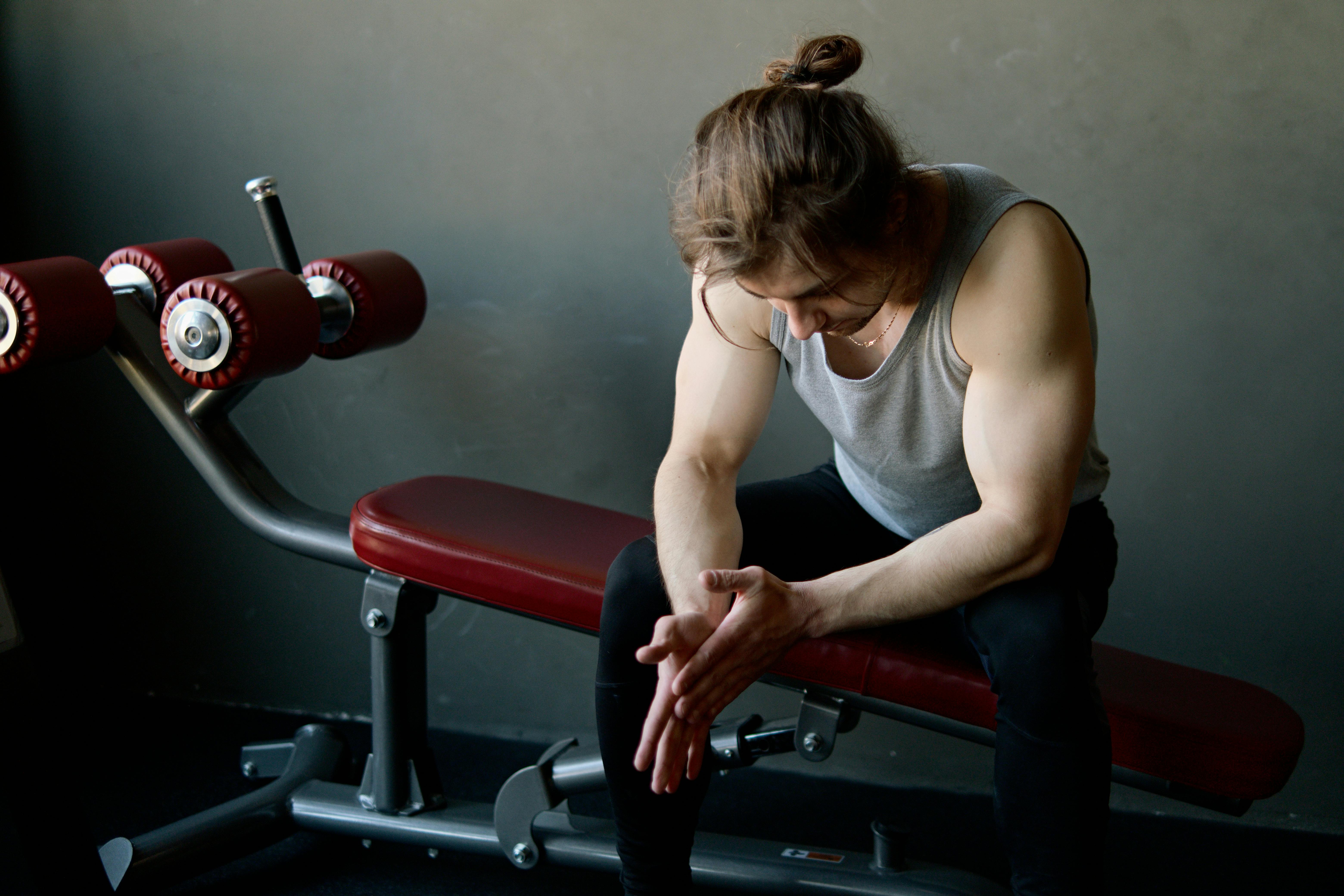
If you’re training hard but still not seeing results, your sleep might be the problem. Many people focus only on workouts and diet, but ignore one of the most powerful tools for progress — sleep and recovery.
Whether your goal is fat loss, strength, or muscle gain, sleep plays a critical role in how your body performs and repairs. If you’re building your fitness routine, you can explore more practical guides on Stronger Weekly to stay on track.
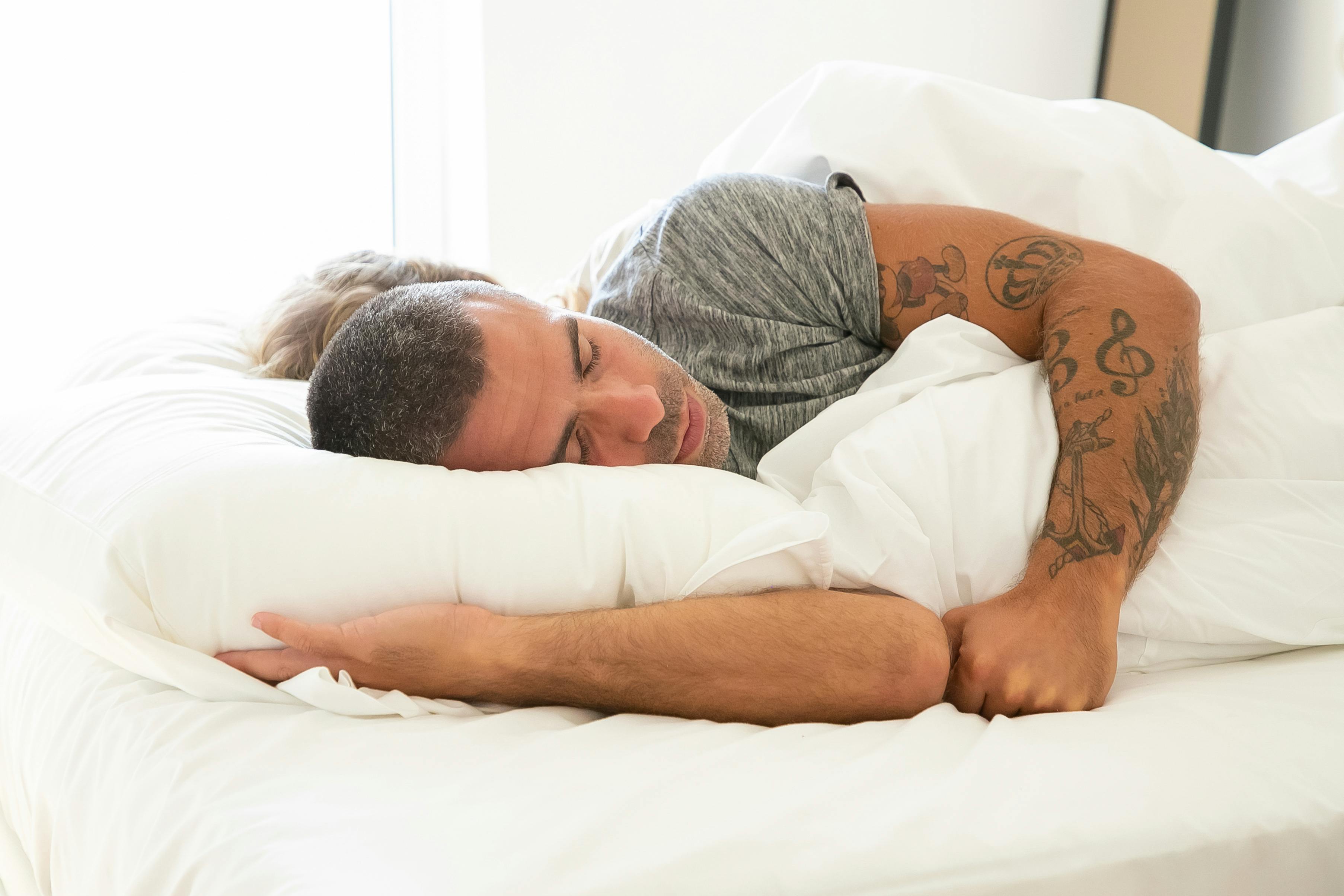
Why Sleep Matters for Fitness Performance
Sleep is when your body repairs, rebuilds, and recharges.
Without proper rest:
- Your energy levels drop
- Muscle recovery slows down
- Workout performance decreases
This is exactly why understanding sleep and recovery is essential for long-term fitness success.
Why Sleep is Important for Workouts
1. Muscle Recovery Happens During Sleep
Your body repairs muscle fibers while you sleep, not during workouts. Pairing good sleep with proper post-workout nutrition can significantly improve recovery.
2. Better Energy and Performance
Lack of sleep leads to fatigue, which affects strength, endurance, and focus. Following a structured fitness routine only works when your body is fully rested.
3. Hormone Balance for Muscle Growth
Sleep helps regulate hormones like testosterone and growth hormone, both essential for muscle building and fat loss.
4. Reduced Risk of Injury
Poor sleep reduces coordination and reaction time, increasing the chances of injury during workouts.
The Connection Between Sleep and Recovery
Recovery is not just about rest days — it’s about what happens when you sleep.
During deep sleep:
- Muscle tissues repair and grow
- Energy stores are restored
- Inflammation is reduced
That’s why improving your sleep and recovery routine can often give better results than simply increasing workout intensity.
Sleep Fitness Recovery Tips
If you want better performance and faster recovery, follow these simple sleep fitness recovery tips:
1. Maintain a Consistent Sleep Schedule
Go to bed and wake up at the same time every day.
2. Avoid Screens Before Bed
Blue light from phones and laptops can disrupt your sleep cycle.
3. Optimize Your Sleep Environment
Keep your room dark, cool, and quiet for better quality sleep.
4. Don’t Skip Nutrition
Your body needs proper fuel for recovery. Pair your sleep with a balanced nutrition plan for fitness for the best results.
5. Limit Caffeine Late in the Day
Avoid caffeine at least 6–8 hours before bedtime.
Signs You’re Not Getting Enough Sleep
Not sure if your sleep is affecting your fitness? Watch for these signs:
Constant fatigue
Poor workout performance
Slow muscle recovery
Increased cravings
If you notice these, it’s time to improve your sleep and recovery habits.
Final Thoughts
Training hard is important — but recovering smart is what drives real results.
Once you prioritize sleep and recovery, you’ll notice:
- Better strength and endurance
- Faster muscle growth
- Improved overall performance
Start taking sleep seriously and explore more expert fitness tips on Stronger Weekly to take your fitness journey to the next level.