 Getting stronger is not just about lifting heavy weights or building big muscles. It’s about moving better, feeling better, and making everyday life easier. That’s where functional fitness comes in. If you’ve ever asked yourself what is functional fitness, this guide will break it down in a simple and practical way.
What Is Functional Fitness?
Functional fitness is a type of exercise that trains your body to handle real-life activities. Instead of focusing on just one muscle, it works multiple muscles together.
Think about daily tasks like:
- Carrying groceries
- Climbing stairs
- Picking something up from the floor
- Reaching for something on a shelf
Functional fitness helps you do all these things more easily and safely.
Unlike traditional workouts that may isolate one muscle at a time, functional fitness focuses on natural movements like pushing, pulling, squatting, and twisting.
Why Functional Fitness Matters
Functional fitness is important because it improves the way your body moves in everyday life. It connects strength with real-world use.
Key Functional Fitness Benefits
- Improves balance and coordination
- Builds strength that you actually use daily
- Reduces the risk of injury
- Helps with posture and body control
- Increases flexibility and mobility
- Makes everyday tasks easier
For example, lifting weights in a gym is great, but lifting a box from the floor with proper form is even more important in daily life.
Functional Fitness vs Traditional Strength Training
Both functional fitness and strength training are valuable. The difference is how they are used.
Traditional Strength Training
- Focuses on individual muscles
- Uses machines or controlled movements
- Builds muscle size and strength
Functional Fitness
- Uses full-body movements
- Trains muscles to work together
- Focuses on real-life movement patterns
The best approach is to combine both. If you are exploring strength training for beginners, adding functional movements will give you better results overall.
How Functional Fitness Supports Strength Training
Functional fitness and strength training go hand in hand.
Here’s how functional fitness improves your strength training journey:
- Helps you learn proper movement patterns
- Builds a strong foundation before lifting heavy weights
- Improves stability and control
- Reduces chances of injury during workouts
If you are following a beginner strength training plan, adding functional exercises can make your progress smoother and safer.
How Functional Fitness Supports Strength Training
Functional fitness and strength training go hand in hand.
Here’s how functional fitness improves your strength training journey:
- Helps you learn proper movement patterns
- Builds a strong foundation before lifting heavy weights
- Improves stability and control
- Reduces chances of injury during workouts
If you are following a beginner strength training plan, adding functional exercises can make your progress smoother and safer.
Common Functional Fitness Movements
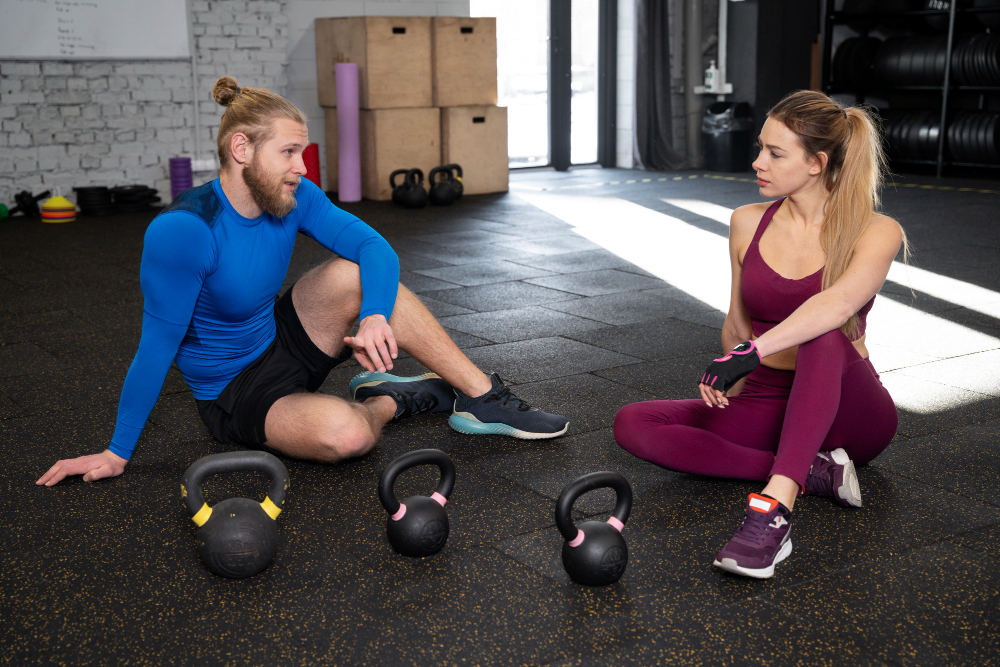 Functional fitness is based on simple, natural movements your body already knows.
Basic Movement Patterns
- Squat – sitting down and standing up
- Hinge – bending at the hips (like picking something up)
- Push – pushing doors or objects
- Pull – pulling something toward you
- Carry – holding and moving objects
- Twist – rotating your body
Training these movements helps your body perform better in daily life.
Functional Fitness Exercises You Can Start With
If you’re new, don’t worry. These functional fitness exercises are simple and effective.
Beginner-Friendly Exercises
- Bodyweight squats
- Lunges
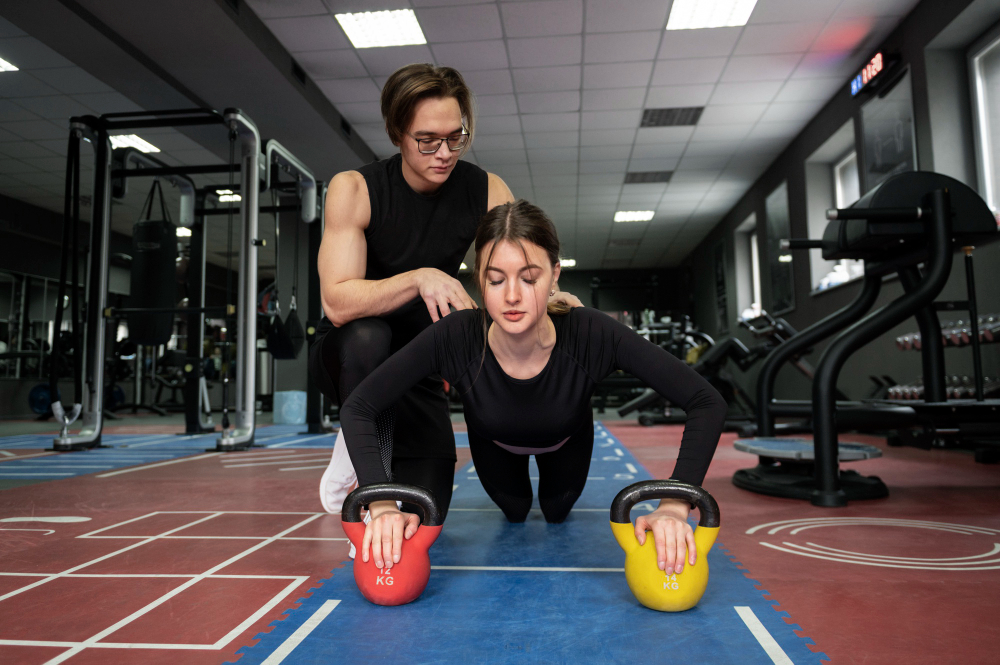
- Push-ups
- Plank
- Glute bridges
- Step-ups
- Farmer’s carry (holding weights and walking)
How to Use Them
- Start with 2–3 sets of each exercise
- Keep reps between 8–12
- Focus on slow and controlled movement
These exercises can be done at home or in the gym.
How to Start Functional Fitness at Home
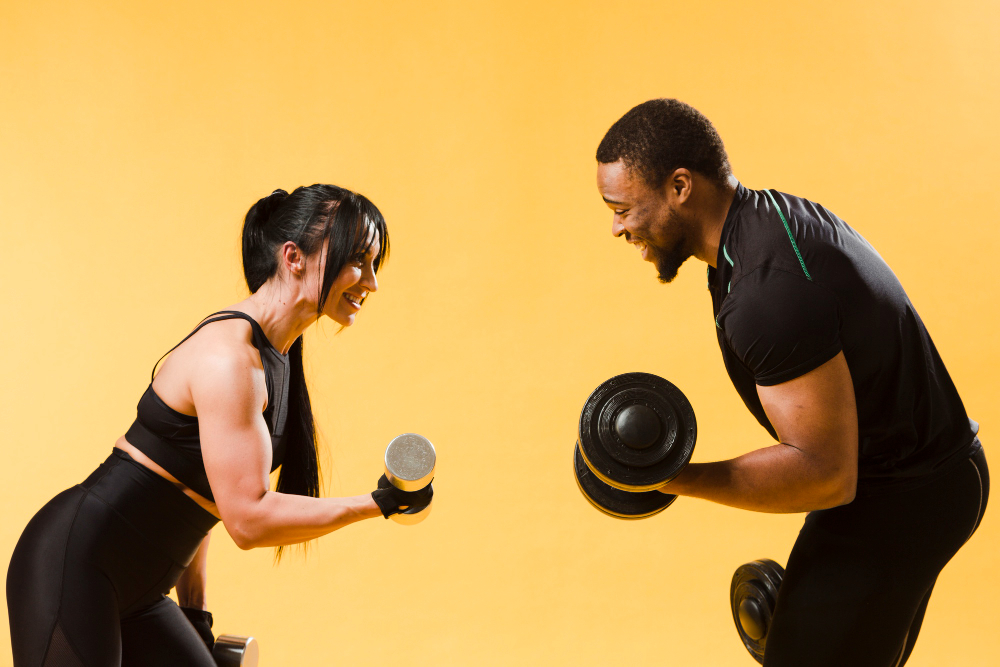 You don’t need expensive equipment to begin.
Simple Setup
- A small open space
- A mat (optional)
- Basic weights or resistance bands (optional)
Easy Routine Example
Warm-Up:
- Arm circles
- Light stretching
- Marching in place
Workout:
- Squats – 10 reps
- Push-ups – 8 reps
- Lunges – 8 each leg
- Plank – 20 seconds
- Glute bridges – 10 reps
Repeat this circuit 2–3 times.
This is a great way to combine how to start strength training at home with functional fitness.
Functional Fitness for Everyday Life
The biggest advantage of functional fitness is how it improves daily living.
Real-Life Improvements
- Carry groceries without strain
- Play with kids without getting tired quickly
- Move furniture safely
- Walk and climb stairs with ease
- Maintain balance as you age
These are things that truly matter beyond the gym.
Common Mistakes to Avoid
When starting functional fitness, keep things simple and avoid these mistakes:
1. Ignoring Form
- Always focus on correct movement
- Poor form can lead to injury
2. Doing Too Much Too Soon
- Start slow and increase gradually
3. Skipping Warm-Ups
- Prepare your body before exercising
4. Not Being Consistent
- Results come from regular effort
Combining Functional Fitness with a Beginner Strength Training Plan
If you’re already following a beginner strength training plan, you can easily add functional exercises.
Example Weekly Plan
- Day 1: Strength training + functional movements
- Day 2: Rest or light walking
- Day 3: Functional fitness workout
- Day 4: Rest
- Day 5: Strength training + core work
Tips for Balance
- Use functional exercises as warm-ups
- Add them at the end of workouts
- Keep sessions simple and focused
This approach helps you build strength while improving movement.
Functional Fitness for All Ages
Functional fitness is suitable for everyone, no matter your age or fitness level.
For Beginners
- Builds confidence
- Improves basic movement skills
For Adults
- Supports daily activities
- Reduces injury risk
For Older Adults
- Improves balance
- Helps prevent falls
- Maintains independence
Nutrition and Recovery Tips
To get the best results, support your workouts with proper habits.
Simple Nutrition Tips
- Eat enough protein for muscle repair
- Stay hydratedInclude fruits and vegetables
Recovery Tips
- Get enough sleep
- Take rest days
- Stretch regularly
How Long Does It Take to See Results?
Functional fitness works over time. You may notice changes sooner than you think.
Timeline
Week 1–2: Better energy and movement
Week 3–4: Improved strength and balance
After 2–3 months: Noticeable changes in daily activities
Consistency is the key.
Final Thoughts
Understanding what is functional fitness can change the way you look at exercise. It’s not just about working out. It’s about preparing your body for real life.
When you combine functional fitness exercises with strength training for beginners, you create a strong, balanced, and capable body.
The goal is simple: move better, feel stronger, and live with more ease every day.
Start small, stay consistent, and focus on movements that matter. Over time, you’ll see how functional fitness benefits every part of your life.